
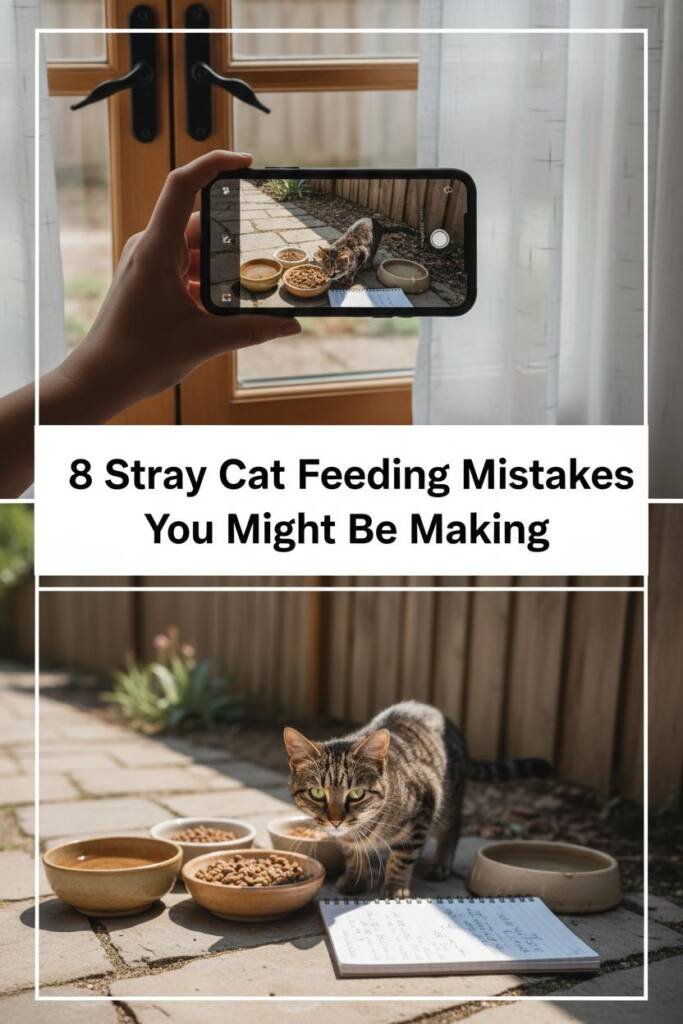
Why Good Intentions Aren’t Always Enough When Feeding Outdoor Cats
You’ve seen them lingering near the dumpster behind your apartment or nervously watching from under a parked car. Stray and feral cats tug at your heartstrings, and your first instinct is to help—usually by setting out food.
But here’s the thing: feeding stray cats isn’t as straightforward as filling a bowl and walking away. Well-meaning people make surprisingly common mistakes that can actually harm the cats they’re trying to help, attract unwanted wildlife, or create tension with neighbors.
Whether you’re already feeding a stray or thinking about starting, understanding these pitfalls will help you provide care that’s truly beneficial—and sustainable for the long run. Let’s dive into what most people get wrong, and more importantly, how to get it right.
Mistake #1: Leaving Food Out 24/7 Instead of Setting a Feeding Schedule

It seems generous to leave a constant supply of food available, but this approach causes more problems than it solves. Leftover food attracts raccoons, possums, rats, and even aggressive neighborhood dogs—all of which can endanger the cats you’re trying to protect.
Instead, establish a consistent feeding schedule. Most caretakers feed once or twice daily, putting food out at the same time each day and removing any leftovers after 30-45 minutes. Cats are creatures of habit and will quickly learn when to expect meals. This routine keeps the feeding area cleaner, reduces pest attraction, and helps you monitor which cats are eating and whether any appear sick or injured.
Consistency also builds trust. When cats know you’re reliable, they’re more likely to stay in a safe area where you can keep an eye on them.
Mistake #2: Using Bowls That Hold Water, Dirt, and Bacteria
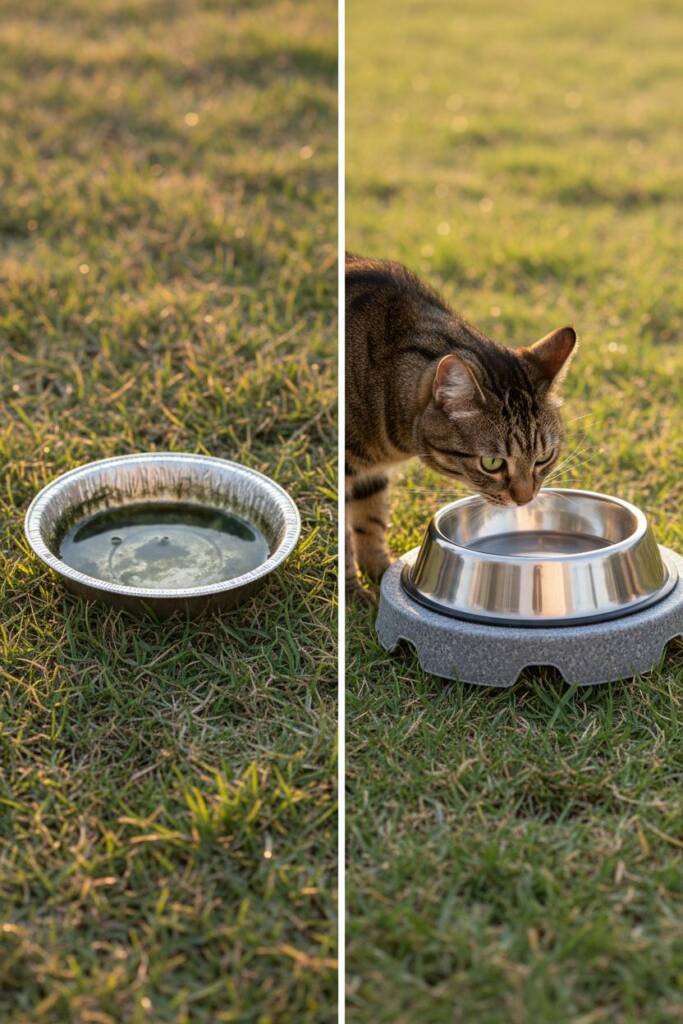
That old pie tin or disposable aluminum pan might seem like an easy solution, but shallow containers with no drainage become breeding grounds for bacteria, especially in humid weather. Standing water mixes with food debris, creating a moldy, potentially dangerous mess that can make cats sick.
Upgrade to elevated feeding stations with drainage holes or use stainless steel bowls that are easy to clean and resistant to bacteria buildup. If you’re feeding multiple cats, consider individual smaller bowls rather than one large communal dish—this reduces competition and helps prevent the spread of illness.
Clean bowls between each feeding with hot soapy water. Yes, it’s extra work, but respiratory infections and digestive issues spread quickly among colony cats, and contaminated food bowls are often the culprit.
Mistake #3: Feeding in Highly Visible or High-Traffic Areas

Placing food in the middle of your front yard or next to a busy sidewalk might seem convenient, but it puts cats at risk. Stray cats are naturally cautious, and eating in exposed areas creates stress, making them vulnerable to cars, dogs, or people who may not have their best interests at heart.
Choose a quiet, semi-secluded spot away from roads and foot traffic—behind a shed, against a fence line, or under dense shrubs. The location should still be accessible enough for you to monitor regularly but private enough that cats feel safe lingering while they eat.
This placement also minimizes neighbor complaints. When feeding happens discreetly, you’re more likely to maintain community goodwill while still helping the cats who need it.
Mistake #4: Offering Only Dry Food and No Fresh Water
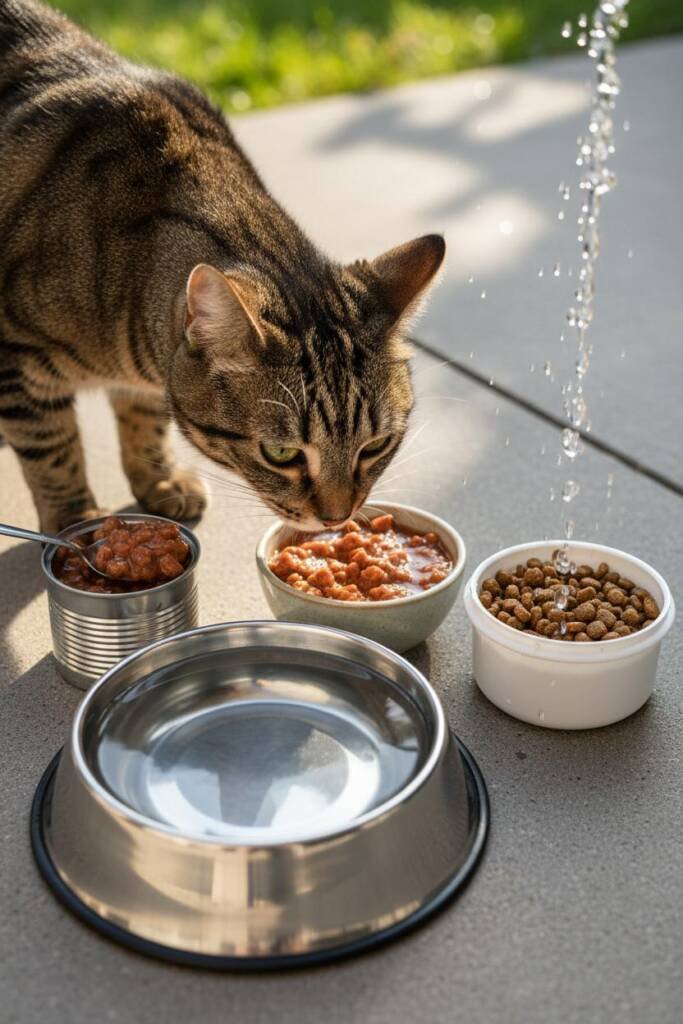
Dry kibble is economical and convenient, but cats have a low thirst drive and often don’t drink enough to compensate—especially when their only food source is moisture-free. Chronic dehydration leads to kidney problems and urinary issues, conditions that outdoor cats can’t afford to develop.
Mix things up by offering wet food a few times per week, or add water to dry kibble to increase moisture intake. Always provide a separate bowl of fresh, clean water that’s changed daily—even if you think nearby puddles or streams are sufficient (they’re not, and they can harbor parasites).
During freezing weather, check water bowls multiple times daily and consider using insulated bowls or heated dishes designed for outdoor use. Hydration is just as critical as nutrition, and it’s an often-overlooked component of proper stray cat care.
Mistake #5: Forgetting That Food Attracts More Than Just Cats

You put out food for three neighborhood cats and wake up to discover five raccoons, two possums, and a skunk having a midnight feast. Sound familiar? Wildlife quickly learns where easy meals appear, and once they establish a pattern, they’re hard to discourage.
The solution isn’t to stop feeding—it’s to feed smarter. Use feeding stations with entry holes sized specifically for cats (about 5-6 inches), which excludes larger animals. Remove food promptly after feeding times rather than leaving it overnight when nocturnal visitors are most active.
You can also try motion-activated lights or sprinklers positioned away from the feeding area but along common wildlife approach paths. These won’t bother the cats during feeding time but will startle opportunistic visitors. The goal is creating a space that’s welcoming for cats but inconvenient for everything else.
Mistake #6: Not Monitoring Who’s Actually Eating the Food

It’s easy to assume that if food disappears, the cats are eating well. But are you certain it’s the cats? And more importantly, are you noticing if one cat is dominating the food while others go hungry, or if a new sick or injured cat has joined the group?
Make it a habit to observe feeding times from a distance, even just for a few minutes. Note how many cats show up, whether any appear thin or lethargic, and if there’s bullying or food guarding happening. This information is invaluable if you ever need to contact a rescue organization or TNR program.
Taking occasional photos can help you track individual cats over time—noticing weight loss, injuries, or new arrivals that might need intervention. What seems like a stable colony can change quickly, and staying observant means you can respond to problems before they become emergencies.
Mistake #7: Ignoring Local Laws and Neighbor Concerns

Passion for helping animals sometimes blinds us to practical realities. Some municipalities have laws about feeding wildlife or maintaining “nuisances,” and even well-meaning feeding programs can create legitimate concerns for neighbors—odors, noise, or fear about property damage.
Before establishing a regular feeding routine, do your homework. Check local ordinances about feeding outdoor cats and consider having a friendly conversation with nearby residents. Explain that you’re maintaining a feeding schedule, keeping the area clean, and ideally, working toward TNR to prevent colony growth.
Being transparent and responsible dramatically reduces the chances of complaints or conflicts. Some neighbors might even want to help once they understand you’re approaching this thoughtfully rather than just tossing food out haphazardly. Building community support protects both you and the cats long-term.
Mistake #8: Feeding Without Any Long-Term Plan for TNR or Adoption

Here’s the uncomfortable truth: feeding cats without addressing reproduction means you’re funding an endless cycle of kittens who will struggle, starve, or add to already overwhelmed shelter systems. One unspayed female can produce three litters per year, and her offspring can reproduce within months.
Feeding is compassionate, but it’s only the first step. Connect with local TNR programs to get cats spayed or neutered—many offer low-cost or even free services specifically for community cats. If you discover kittens young enough to socialize (typically under 8 weeks), contact rescues immediately about foster or adoption options.
You don’t have to do this alone. Many areas have networks of colony caretakers who share resources, trapping equipment, and advice. Joining these communities transforms your individual effort into part of a larger solution that actually reduces suffering rather than just maintaining it.
Essential Supplies Every Stray Cat Feeder Should Have
If you’re serious about feeding stray cats the right way, having the right tools makes all the difference. Here’s what belongs in your colony care kit:
- Stainless Steel Elevated Bowls – Rust-proof, bacteria-resistant, and easy to sanitize between feedings. Elevated designs keep food cleaner and are easier for cats with arthritis or dental issues to access comfortably.
- Weatherproof Feeding Station or Shelter – Protects food from rain, snow, and wildlife while creating a designated feeding zone that keeps things organized and discreet. Look for designs with drainage and pest-deterrent features.
- Insulated or Heated Water Bowl – Essential for winter feeding but useful year-round for keeping water fresh and appealing. Prevents freezing in cold months and keeps water cooler in summer heat.
- Quality Cat Food (Wet and Dry) – High-protein options designed for adult cats provide better nutrition per serving than cheap grocery store brands. Wet food adds crucial moisture to their diets and is easier for older cats to eat.
- Heavy-Duty Cleaning Supplies – Food-safe disinfectant spray, scrub brushes, and disposable gloves. Maintaining hygiene isn’t glamorous, but it’s one of the most important things you can do to prevent illness in colony cats.
Creating Lasting Change, One Bowl at a Time
Feeding stray cats might start with simple compassion, but doing it well requires intention, consistency, and a willingness to learn from common mistakes. When you feed thoughtfully—with scheduled times, clean equipment, proper placement, and a long-term plan—you’re not just filling bellies. You’re creating stability, preventing suffering, and showing these often-overlooked animals that they matter.
At Sweet Purrfections, we believe that caring for animals—whether they’re curled up on your couch or surviving on the streets—deserves creativity, knowledge, and heart. From practical outdoor solutions to everyday inspiration for pet lovers and home enthusiasts, we’re here to help you turn good intentions into real impact.
Because every cat, no matter where they sleep at night, deserves someone who cares enough to do it right.